03 — Through the OBD port
What the diagnostic port can and cannot do here
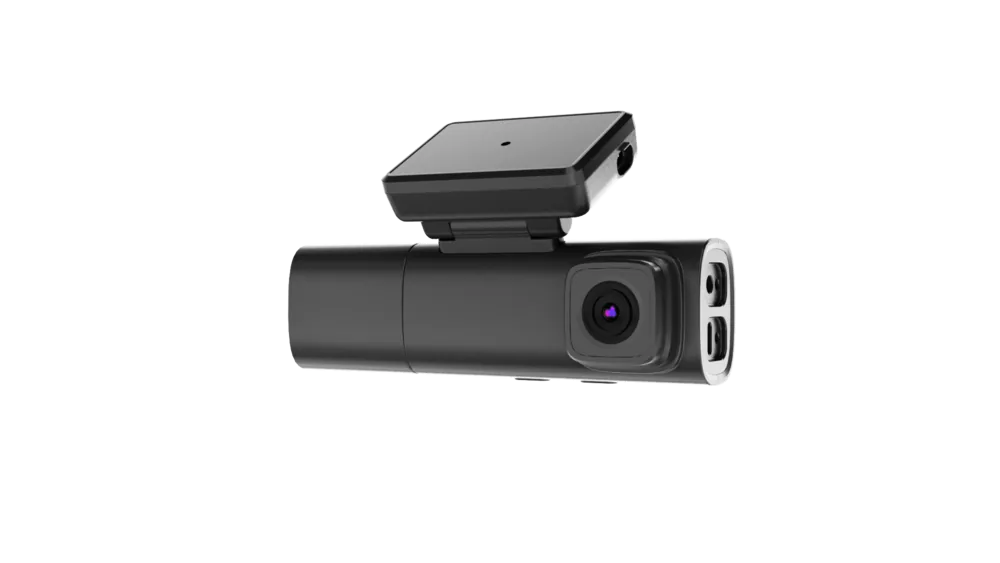
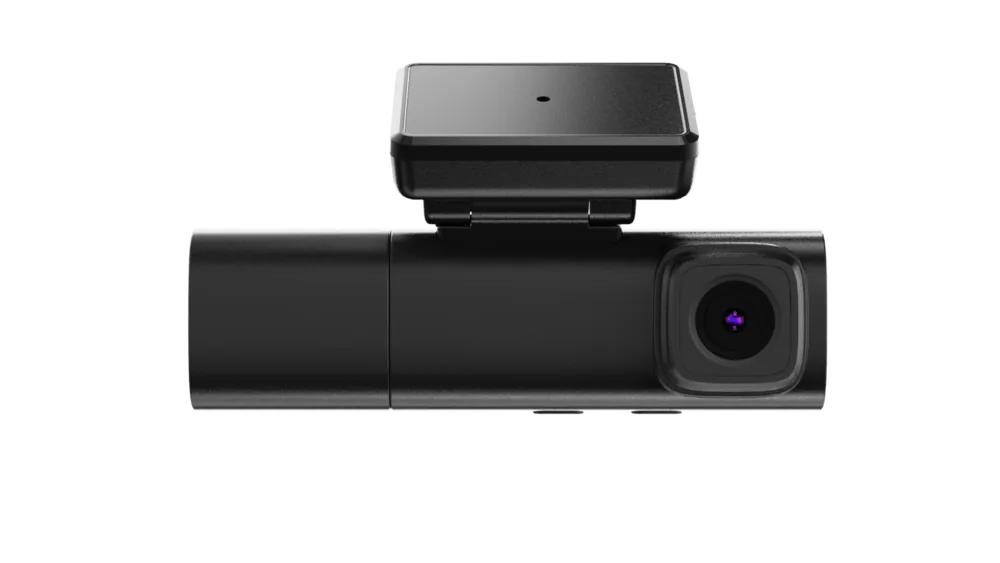
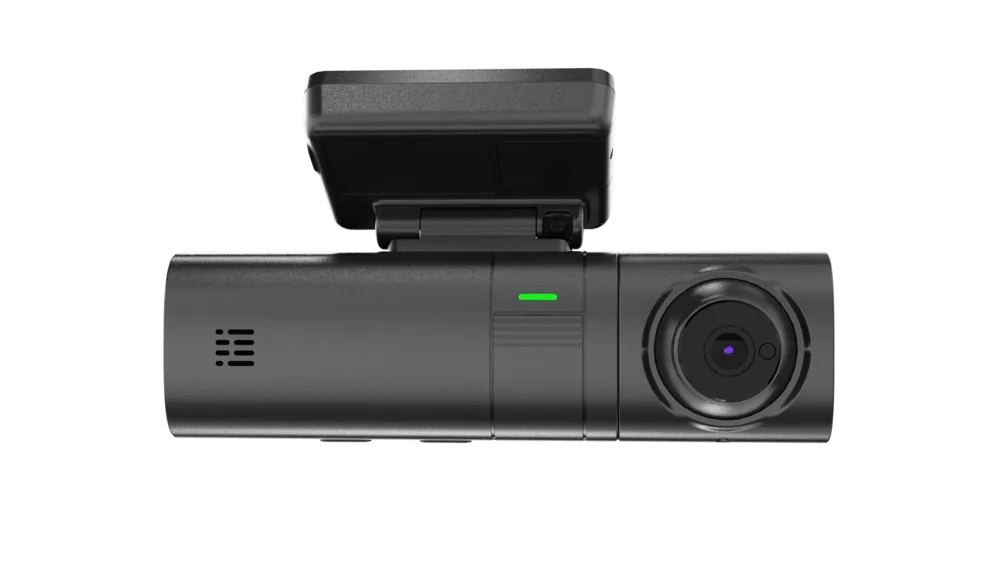
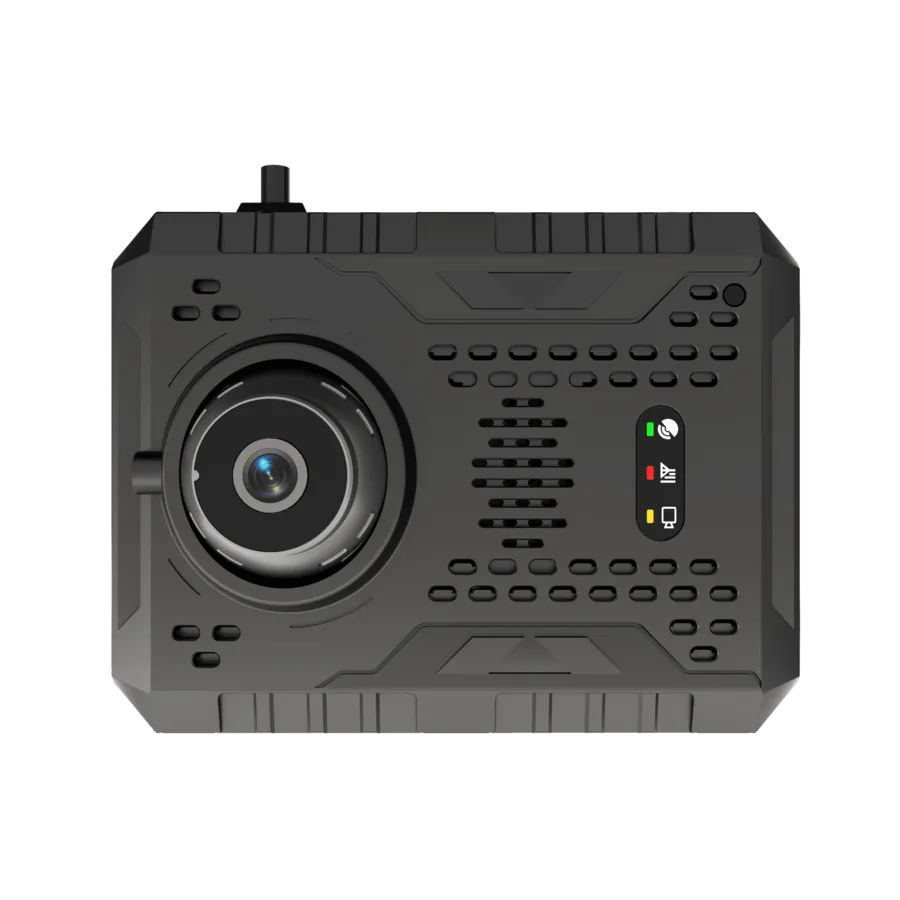
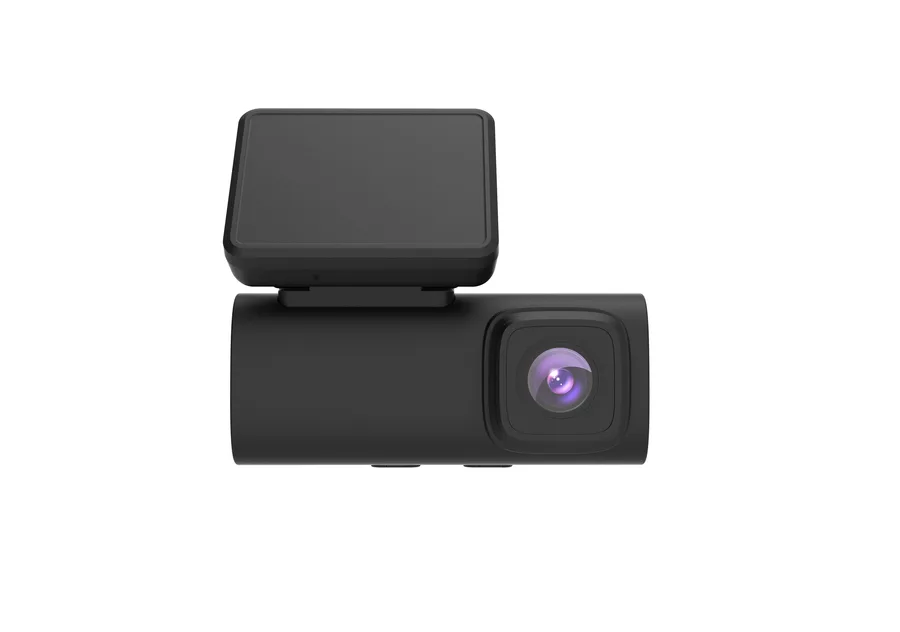
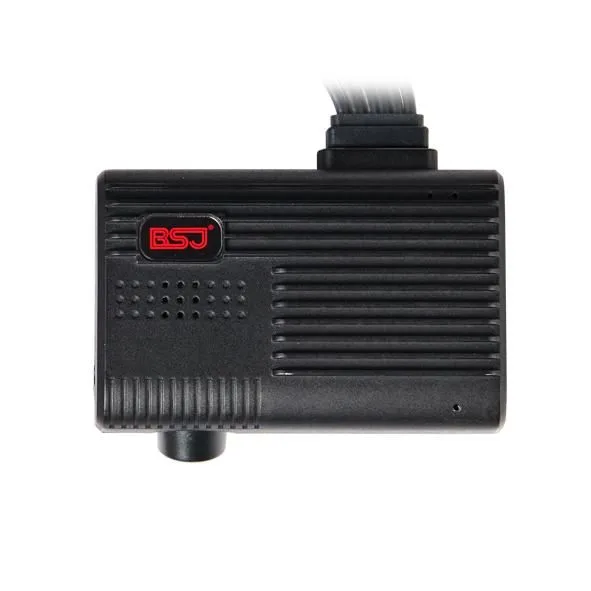
Not one device in this catalogue has an OBD-II connector or a CAN transceiver. That is worth knowing before a tender is answered, because “OBD” in a specification usually means two different jobs and only one of them is possible with this hardware.
What the port is still good for: power
Pin 16 of the SAE J1962 connector is battery positive (12 V on a Type A, 24 V on a Type B), pin 4 is chassis ground and pin 5 is signal ground. An OBD take-off lead gives V+ and GND with no splicing, which is why hire fleets and short-term fits use one. Two catches: on most vehicles that pin is live with the key out, so ACC still has to come from a switched fuse, and a lead hanging off the column gets kicked loose.
What it cannot give you: the bus
Road speed, engine RPM, odometer, engine hours, fuel level and fault codes live on CAN, on pins 6 and 14. There is no CAN on any of these devices, so none of it reaches the camera. Speed and position come from the GNSS receiver instead, and harsh-driving events from the on-board accelerometer.
Where vehicle data does come from
Discrete inputs and the analogue line on every model: ignition, indicators, a panic button, a fuel sender on ADC. On the recorders and the EH15-V2 it goes further — brake and door inputs, 1-Wire for driver identification, and RS485 for the sensor bus. A CAN or FMS gateway on RS232 is the obvious next step, and we have not tested one: whether BSJ's firmware parses a third-party gateway is a question for them, and until somebody runs it on a bench this site is not going to claim it works.
If a customer's specification says OBD, ask which they mean. Powering off the port takes a €10 lead. Reading the bus needs a device that has CAN on it, and that is a different box beside this one, not this one.
Pinout from the SAE J1962 connector tables; I/O from each model's own datasheet, linked above.